Playable ads let people discover a product through interaction: make a move in a puzzle, merge objects or try an app feature directly inside an ad. This experience helps set expectations before installation. Campaign results depend on how useful that introduction is and what the user does next.
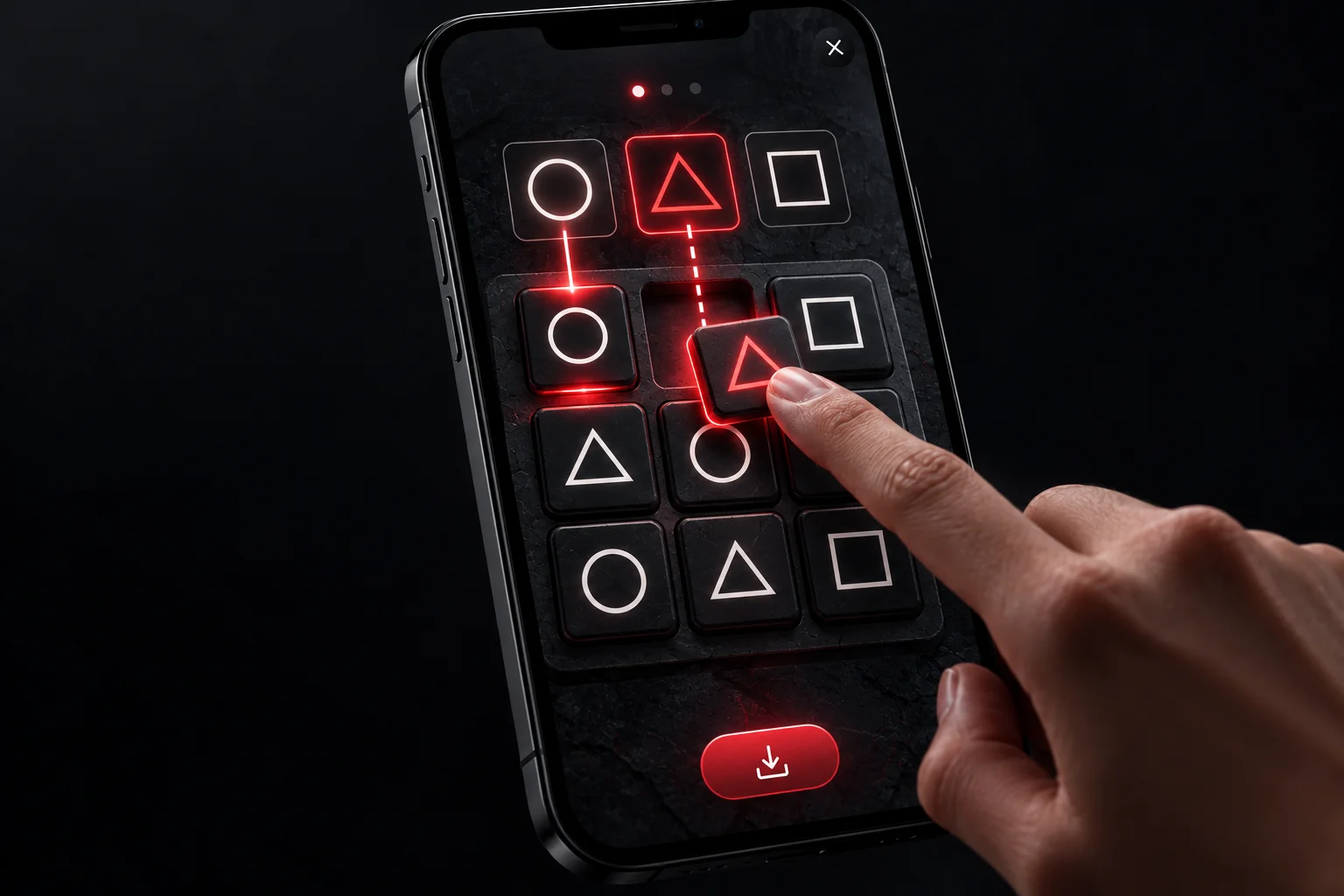
Here is how the format works, how to choose a mechanic and what to consider when developing and evaluating an interactive ad creative.
What Are Playable Ads?
Playable ads are interactive advertisements built around a short experience that the user controls. People can tap, drag objects, choose options and see the results of their actions. For a game, this is often a simplified demonstration of a core mechanic. For an app, it can introduce a specific feature.
Development can involve recreating a mechanic in HTML5 or combining video footage with interactive elements. The approach depends on the brief: what matters is the experience users receive and how closely it reflects the product.
How Does the Format Relate to In-Game Advertising?
In-game advertising describes advertising within a game environment. A brand might appear on a virtual billboard or in an audio message, for example.
Playable ads describe the interactivity of the ad itself. They can appear in mobile games and other supported advertising environments. Campaign planning therefore involves choosing both the creative format and its placement.
How Do Playable Ads Work?
The interaction follows a clear sequence: a prompt, an action, feedback and an invitation to take the next step. An end card can close the experience with a call to action. The details of each stage depend on the product and platform.
The prompt. People need to understand that they can do something: swipe, choose an object or make a move. A gesture or the way the scene is arranged can explain the first interaction.
The action. The user tries a small part of the experience. For an advertising scenario, choose an action that demonstrates an appealing aspect of the product.
The feedback. A change in the scene, the result of a choice or a clear animation shows that the action worked. This connects the user’s input with its outcome.
The next step. After the introduction, the user is invited to install the app or continue to the destination defined for the campaign.
The journey can begin with video. For example, TikTok describes a sequence that moves from an in-feed video to an interactive experience and a final CTA. Its September 2026 documentation places this format within App Promotion in the upgraded Smart+ experience.
What Can Interactive Advertising Help Communicate?
For a game studio, a useful starting point is a moment that conveys the core mechanic: a satisfying combination, a choice of direction or a small challenge. If an ad is enjoyable to play but explains very little about the game, its connection to the user’s future experience becomes weaker.
A non-gaming app can demonstrate a single feature. Users might choose a photo and see an editing result or complete a short exercise from a learning app. The interaction should introduce a genuine product capability.
For a brand, a mechanic can express the campaign message through selection, assembly or product customization. These projects need a clear plan for where the interactive creative will appear, where it will lead and which action counts as a result.
These are illustrative scenarios. They demonstrate possible uses of the format and are not Side Effect client case studies.
What Influences the Result?
The first action should be clear, controls should respond reliably and the mechanic should relate to the product. TikTok’s recommendations specifically cover early prompts, execution quality and an experience that accurately represents the app.
For each project, define the impression users should take away and the hypothesis the team will test after launch. For example, does the chosen action help people understand the app’s main feature and make them want to explore it further?
Campaign returns depend on the product, audience, placement, acquisition cost and subsequent monetization. Plan measurement alongside the creative scenario.
Why Does Product Accuracy Matter?
People enter an app with expectations shaped by the ad. If installation leads to a different mechanic or way of interacting, a gap opens between the promise and the experience.
Imagine an ad offering a short puzzle, followed by an app that opens with a lengthy base-building sequence. The advertising and the product set different expectations. This hypothetical example helps a team assess the concept before production.
During scripting, ask: will people recognize the action after installation? Is the demonstrated feature available? Do the visual style and pace reflect the actual product?
A clear CTA also helps users stay in control of the experience. A gameplay action should do what it promises, and the invitation to install should be a recognizable next step.
How Are Playable Ads Developed?
Start with the product, audience, campaign objective and selected platforms. These decisions shape the mechanic, asset requirements and deliverables.
The team then develops the scenario and builds a prototype. Even a simple version can reveal whether the first action is clear, whether the controls feel responsive and whether users want to continue. Graphics and animation follow, alongside interaction development and asset optimization.
Why Are Platform Adaptation and QA Necessary?
Platforms have different packaging and integration requirements. For example, Unity Ads requires a single HTML file smaller than 5 MB, with embedded assets and MRAID 3.0 support. Google specifies a ZIP package of up to 5 MB and no more than 512 files for App campaigns.
Production therefore includes checking loading, controls, orientations, the placement of important elements and the destination action within the selected environment. Confirm requirements before development: they influence technical decisions and the amount of adaptation needed.
How Should Playable Ad Performance Be Evaluated?
A useful test connects behavior inside the ad with actions after the user leaves it. The framework below can be adapted to the reporting available to the team.
| Stage | What to measure | What does it help answer? |
|---|---|---|
| Start | Share of impressions with an initial interaction, time to that interaction | Is the available action clear? |
| Progress | Scenario completion, exit points, available interaction events | Does the mechanic maintain interest? |
| Destination | Taps on the destination CTA | Do people want to continue? |
| Installation | Installs per thousand impressions, CPI | How much does acquisition cost? |
| Usage | Activation of the intended feature, retention of the selected cohort | Do users receive the value they expected? |
| Revenue | ROAS over an agreed period | How does the acquired audience generate returns on ad spend? |
Define events and denominators in advance. The first gameplay interaction and a tap on the install button may be counted differently. Google specifically describes engagement for HTML5/Playable ads as the first interaction or click, so definitions need to be checked when comparing reports.
Production and adaptation costs also belong in the project evaluation. Even an attractive CPI cannot explain the full economics of a campaign without information about user quality and the team’s costs.
What Should the First Test Include?
Choose one hypothesis, such as: “A gesture prompt helps users begin interacting sooner.” Prepare versions that change that prompt specifically, and define the primary metric alongside indicators of user quality.
A comparison needs comparable audiences, platforms, timing and media buying conditions. If the mechanic, visual style and message all change together, identifying the reason for a result becomes harder. Agree on the minimum data requirements and decision criteria with the measurement team before launch.
How Can AI Be Used in Production?
AI can support draft scenarios, prototypes and visual variations. For each stage, define acceptance criteria and the amount of human review required.
For the client, the priorities are a clear mechanic, an accurate representation of the product, quality assets and working exports for the agreed platforms. A fast first version is useful when the team knows what to check and how to accept the result.
What Should You Prepare Before Commissioning a Playable Ad?
A product link, a description of the objective and a list of intended platforms are enough to start the conversation. Then clarify:
- which mechanic or feature the user should try;
- which audiences and countries the campaign will target;
- which graphics, animation and other assets are available;
- how many languages, variations and adaptations are needed;
- who will launch the campaign and provide evaluation data;
- which source files, exports and rights are included in the handover.
Pricing follows this scope: scenario complexity, available assets, export requirements, iterations and testing. An agreed scope helps teams compare proposals and plan the test.
Frequently Asked Questions
Are playable ads only for games?
The format can introduce an app feature or support a branded interaction. Check whether the selected platform supports the intended experience and destination.
How long should a playable ad be?
It should give people enough time to understand the product’s value and take the next step. Start with the mechanic and placement requirements, then test the decision.
Which matters more: completion or installs?
Completion helps explain how the interaction works inside the ad. Acquisition objectives also require evaluating installs and the subsequent value of the acquired audience.
Where should a project start?
Define the action that will introduce people to the product and the result you want to test. These two decisions form the basis of the brief.